A complete, honest guide to Ho Chi Minh City, Vietnam — where to go, what to eat, how to get around and the day trips worth your time. Motorbikes, pho & history.
Ho Chi Minh City is a highlight of Southeast Asia, and Ho Chi Minh City (Saigon) is Vietnam's high-octane south — motorbike rivers, French-colonial relics and brilliant street food. Whether you have a long weekend or a full week, this guide helps you plan a trip that balances the must-sees with the moments that make a place stick.
Top things to do in Ho Chi Minh City
These are the sights most first-time visitors build their trip around. Tap each one to add it to your shortlist — it saves as you browse.
Perfect 2–3 days in Ho Chi Minh City
A simple, unhurried plan you can shape around your own pace.
The essentials
Hit the headline sights first — War Remnants Museum and Notre-Dame & Central Post Office. Break for lunch and try pho, then spend the evening soaking up the atmosphere of District 1.
Go deeper
Go beyond the highlights: see Ben Thanh Market and Bitexco Tower / Landmark 81, then explore District 3 at a slower pace. Leave time to sit in a café, browse a market and eat where the locals do.
Beyond the city
With a third day, head out of town — Cu Chi Tunnels (the wartime tunnel network) is the easy favourite, or swap in Mekong Delta (river life and floating markets).
Ready to book? Turn your Ho Chi Minh City shortlist into reality
Skip-the-line tickets, guided tours and day trips for the sights you've saved — booked through Viator (a Tripadvisor company). We may earn a commission.
Book Ho Chi Minh City experiences →Ho Chi Minh City on a budget — costs & money tips
Ho Chi Minh City is very affordable by global standards. Here’s roughly what to budget, per person per day, by travel style — these are indicative estimates to plan around, not fixed prices, and they exclude international flights. Use the currency selector near the top of the page to convert.
dorms/hostels, street food, public transport, mostly free sights
private room or 3★ hotel, a mix of cafes and restaurants, a few paid attractions
4★ hotel, restaurants, taxis when handy, tours and tickets
What things cost in Ho Chi Minh City
- Accommodation£8–£45 / night
- Food£6–£20 / day
- Local transport£2–£8 / day
- Typical attraction£3–£12 / entry
See how Ho Chi Minh City compares with 126 other cities →
Saving money in Ho Chi Minh City
- Street food and local markets are both the cheapest and often the best meals — eat where locals queue.
- Trains and shared local transport cost a fraction of taxis; agree fares before you ride where meters aren’t used.
- Many of the best experiences here are low-cost — temples, markets, walking the old quarters.
Estimates assume mid-2020s prices and a typical exchange rate; high season, festivals and last-minute booking push costs toward the upper end.
Local intelligence — Ho Chi Minh City at a glance
A quick orientation for Ho Chi Minh City. Sunrise and sunset are live for today; connectivity and nomad-friendliness are Wander360 estimates to set expectations, not precise scores.
Staying safe in Ho Chi Minh City
Most visits are trouble-free. Use the same street sense you would in any busy city: keep an eye on belongings in crowds and on transport, use licensed taxis or a rideshare app, agree fares in advance where meters aren’t used, and be wary of unsolicited “help” at ATMs or stations. For up-to-date, authoritative guidance always check your own government’s travel advisory (UK FCDO · US State Dept) before you travel.
For getting around Ho Chi Minh City specifically, see the Getting around section on this page.
Where to stay & neighbourhoods in Ho Chi Minh City
Ho Chi Minh City is really a collection of distinct districts, and where you base yourself shapes the whole trip. Here’s each main neighbourhood — what it’s like and who it suits:
District 1
The central sights and nightlife.
District 3
Quieter streets and cafés.
Cholon (District 5)
The historic Chinatown.
Once you’ve picked an area, you can book tours & tickets in Ho Chi Minh City further down the page.
Food & drink in Ho Chi Minh City
Saigon is a street-food paradise — pho, banh mi and Vietnamese iced coffee on every corner.
Build your Ho Chi Minh City food list — tap the dishes you want to try:
Getting around Ho Chi Minh City
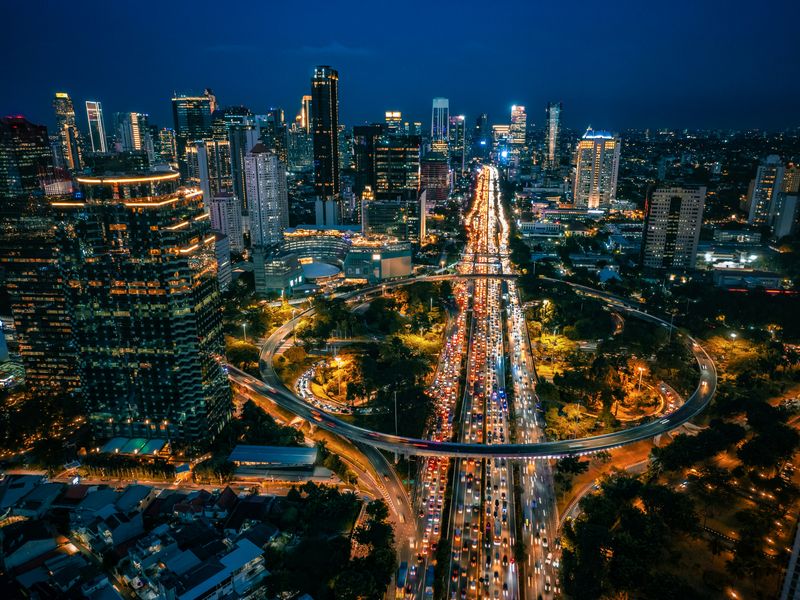
Motorbikes rule the roads; ride-hailing (including motorbike taxis) is the easiest way around.
🚇 Public transport
Usually the fastest and cheapest way around Ho Chi Minh City. Grab a rechargeable travel card or use contactless where supported, and download the local transit app for live times.
🚶 On foot
The centre of Ho Chi Minh City is best explored on foot — it’s how you stumble on the small things. Wear comfortable shoes and keep a map app handy.
🚕 Taxis & rideshare
For late nights, luggage runs or awkward cross-town hops, ride-hailing apps are usually cheaper and clearer than flagging a cab. Confirm the car and plate before getting in.
✈️ From the airport
Check the official airport transfer options before you land — there’s almost always a train or express bus into Ho Chi Minh City that beats a taxi on price.
Best time to visit Ho Chi Minh City
The dry season (December–April) is the most comfortable time to visit. Prices and crowds tend to follow the weather, so the shoulder seasons often give the best value.
Highlighted months are the sweet spot for visiting Ho Chi Minh City.
Day trips from Ho Chi Minh City
When you’re ready to venture beyond the city, these make for rewarding day trips:
- Cu Chi Tunnels — the wartime tunnel network
- Mekong Delta — river life and floating markets
Practical tips for Ho Chi Minh City
🧭 Where to base yourself
For a first visit, District 1 is a smart base — the central sights and nightlife. If that’s not your style, District 3 works well too (quieter streets and cafés).
🍽️ Eat like a local
Don’t leave Ho Chi Minh City without trying pho, banh mi, com tam or Vietnamese coffee. Skip the obvious tourist spots and eat where you see locals queueing.
✨ Don’t miss
Make time for War Remnants Museum and Notre-Dame & Central Post Office. With a spare day, Cu Chi Tunnels (the wartime tunnel network) is well worth the trip.
💰 Money & payments
Cards and contactless are widely accepted in Ho Chi Minh City, but carry some local cash for markets, small cafés and tips. Tell your bank you’re travelling and check foreign-transaction fees.
📶 Staying connected
A local eSIM or SIM is cheap and makes maps, transport and translation effortless across Ho Chi Minh City — set it up before you arrive or at the airport.
🛡️ Stay aware
Keep an eye on your belongings in crowds and on transport in Ho Chi Minh City, as you would in any busy city, and keep a digital copy of your passport.
Frequently asked questions
How many days do you need in Ho Chi Minh City?
Three to four days is enough for Ho Chi Minh City’s highlights — the main sights plus time to wander District 1 — with an extra day for a trip to Cu Chi Tunnels if you can spare it.
What is the best time of year to visit Ho Chi Minh City?
The dry season (December–April) is the most comfortable time to visit.
What food is Ho Chi Minh City known for?
Saigon is a street-food paradise — pho, banh mi and Vietnamese iced coffee on every corner.
Where should I stay in Ho Chi Minh City?
District 1 is a great first-time base (the central sights and nightlife). District 3 is another good option for quieter streets and cafés.
What are the best day trips from Ho Chi Minh City?
Two rewarding day trips are Cu Chi Tunnels (the wartime tunnel network) and Mekong Delta (river life and floating markets).
How do you get around Ho Chi Minh City?
Motorbikes rule the roads; ride-hailing (including motorbike taxis) is the easiest way around.